Tungsten Carbide Sandblasting Nozzles & Tips
Sort + Filter
Tungsten Carbide Sandblasting Nozzles & Tips
Tungsten Carbide Pricing Is Changing — Consider a Longer-Lasting Boron Carbide Nozzle
Tungsten carbide prices are currently unstable and rising rapidly. Due to this, it has become difficult to Tungsten nozzle prices accurate.
Before purchasing a tungsten carbide nozzle, we encourage you to consider upgrading to a boron carbide (B4C) nozzle.
Tungsten Carbide Pricing Notice
Tungsten prices are rising quickly and remain unstable, making it difficult to keep our nozzle prices current. We recommend considering a boron carbide (B4C) nozzle, especially when blasting with aggressive media such as aluminum oxide or silicon carbide.
Boron carbide nozzles are lighter and substantially more wear-resistant, maintaining their bore size longer while reducing nozzle changes, downtime and long-term operating costs.
Although extremely hard, boron carbide is also brittle. Hardness means resistance to abrasive wear; it does not mean resistance to impact. A B4C nozzle can last much longer than tungsten carbide but may crack if dropped or struck against a hard surface, so it must be handled carefully.

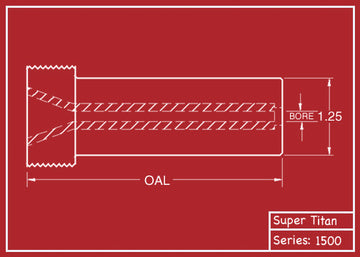
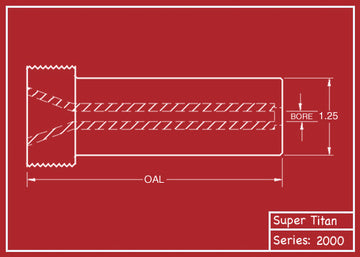
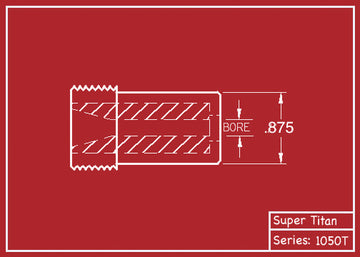
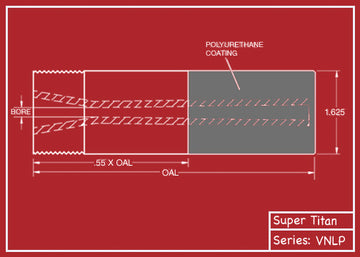
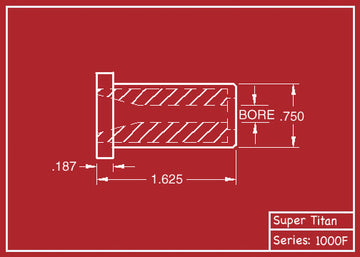
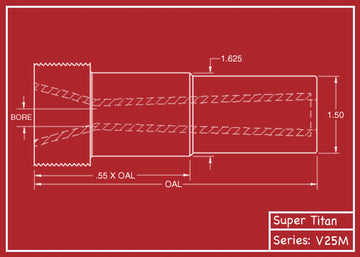
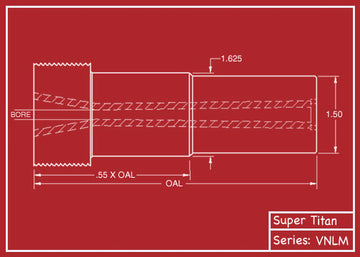
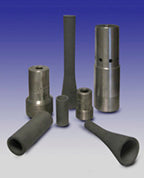
Offering Straight Bore, Venturi, Wide Spray, Tapered Sandblast Nozzles
Nomenclature For Blast Nozzles:
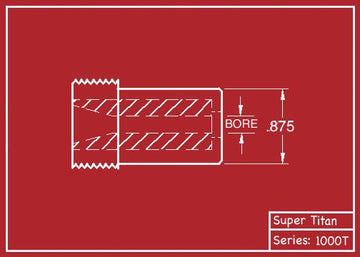
- T = Threaded Nozzles
- F = Flanged Nozzles
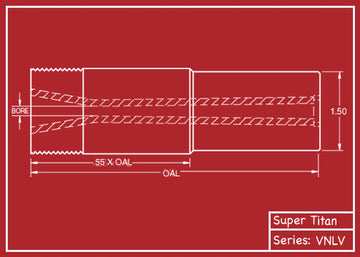
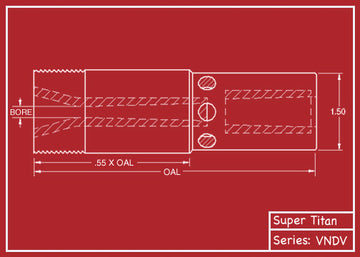
- V = Venturi
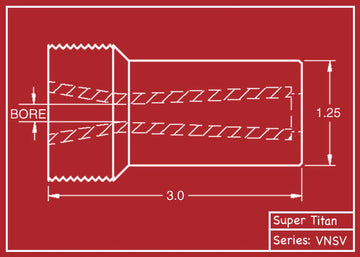
- SV = Short Venturi
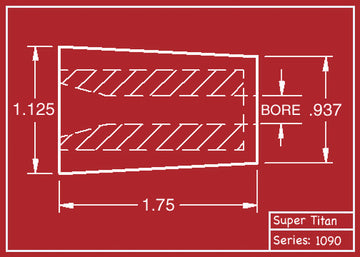
- TP = Tapered
- WS = Wide Spray
- Inserts are neither tapered or threaded
- Straight Bore nozzles are the default bore, creating a tighter blast pattern for overall blasting projects and cabinets.
- Venturi Bore nozzles have a wider blast pattern, good for blasting larger surfaces.
- VNSV: Venturi, Short Venturi
- VNLV: Venturi, Long Venturi
- VNDV: Venturi, Double Venturi
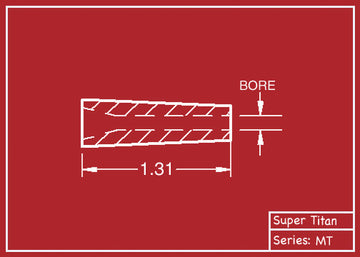
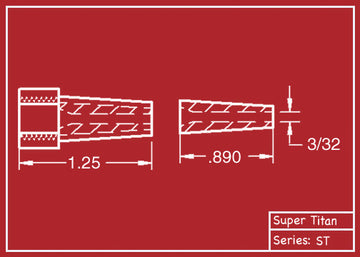
- MT and ST: Etching Nozzles