Boron Carbide Sandblasting Nozzles & Tips
Sort + Filter
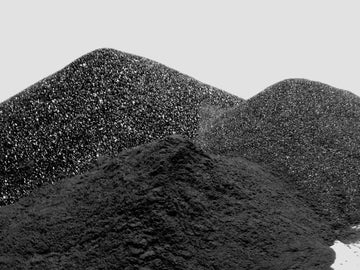
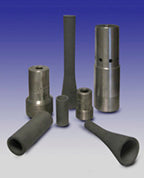
Offering Straight Bore, Venturi, Wide Spray, Tapered Boron Carbide Sandblast Nozzles
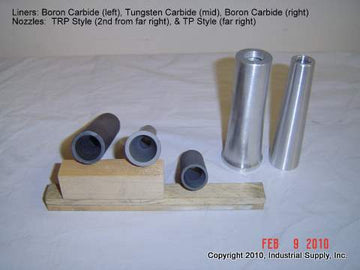
Benefits of Boron Carbide Over Tungsten Carbide
- Substantially longer nozzle life with aggressive, fast-cutting abrasives
- Greater resistance to internal wear and erosion
- Maintains its original bore diameter longer
- Helps maintain a more consistent blast pattern
- Reduces the gradual loss of blasting efficiency caused by nozzle wear
- Requires fewer nozzle changes
- Reduces equipment downtime and replacement labor
- May provide a lower cost per blasting hour despite the higher purchase price
- Lighter in weight, helping reduce operator fatigue during extended blasting
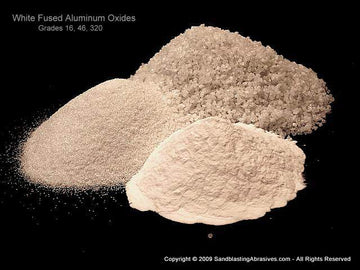
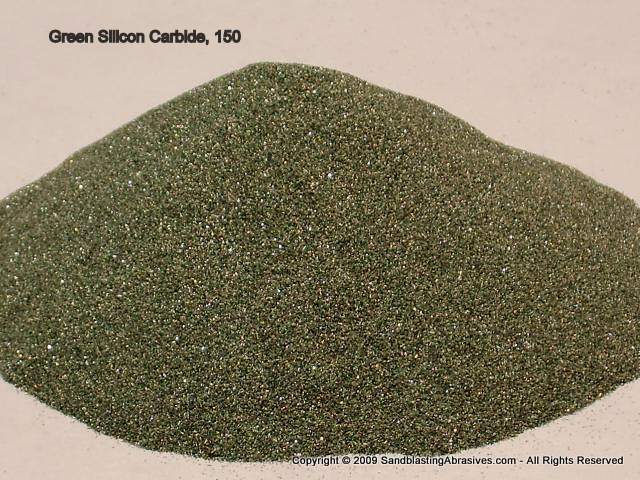
- Better suited for frequent or high-production blasting with aluminum oxide and silicon carbide
As a nozzle wears, its internal opening becomes larger. This increases compressed-air demand and can reduce blasting efficiency. Because boron carbide resists abrasive wear better than tungsten carbide, it generally holds its correct bore size and performance characteristics much longer.
Important: Boron Carbide Is Extremely Hard—but It Is Also Brittle
This can sound contradictory, but hardness and toughness are not the same property.
Hardness describes how well a material resists scratching, abrasion and gradual surface wear. Boron carbide is exceptionally hard, which is why abrasive particles have difficulty wearing away the inside of the nozzle.
Toughness describes how well a material withstands impact, bending or sudden shock without cracking. Boron carbide is less impact-resistant than tungsten carbide. A boron carbide nozzle can provide an exceptionally long service life during normal blasting but may crack if it is dropped onto concrete, struck against equipment or handled roughly.
A simple comparison is glass: glass is hard and difficult to scratch, but it can still break when dropped. Boron carbide behaves similarly. Its hardness provides excellent wear resistance, while its brittleness means that it must be handled carefully.
To protect your investment:
- Do not drop the nozzle onto concrete or other hard surfaces.
- Avoid striking the nozzle against the blast pot or workpiece.
- Store it where it cannot roll off a bench or equipment cart.
- Inspect the nozzle and protective jacket if it receives a hard impact.
- Never use the nozzle as a tool for knocking or prying material loose.
With sensible handling, a boron carbide nozzle can substantially outlast a tungsten carbide nozzle and deliver a much lower long-term operating cost.
Nomenclature For Blast Nozzles:
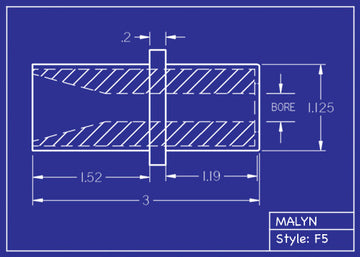
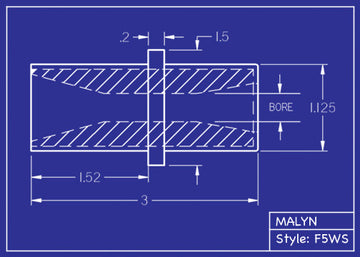
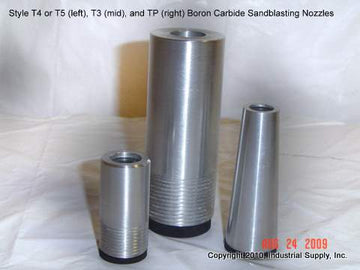
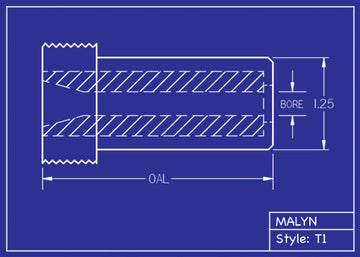
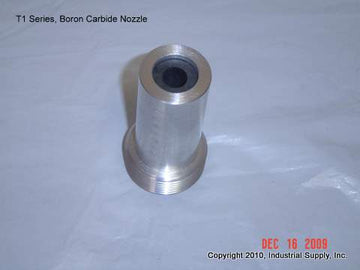
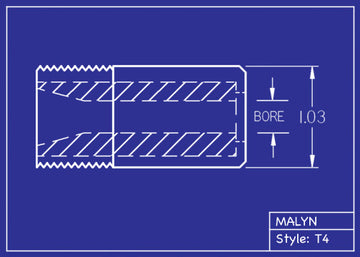
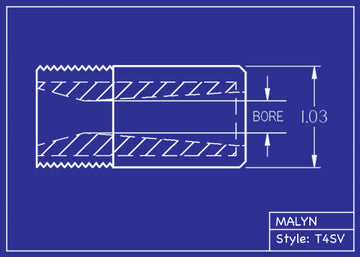
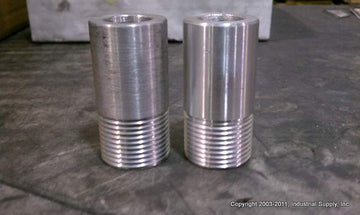
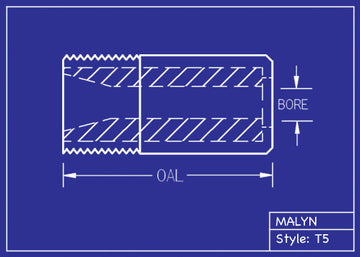
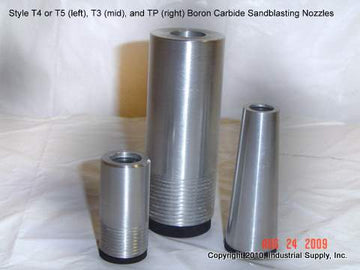
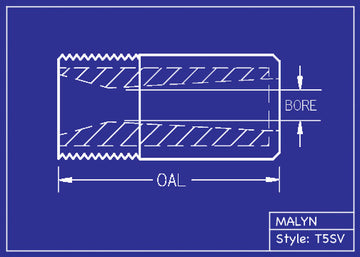
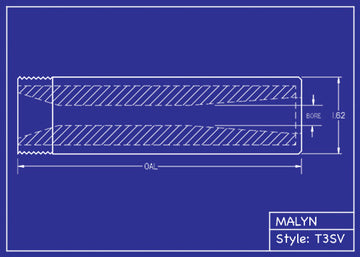
- T = Threaded Nozzles
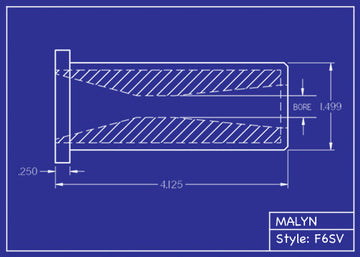
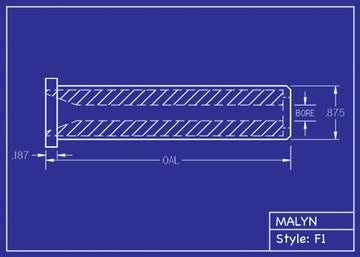
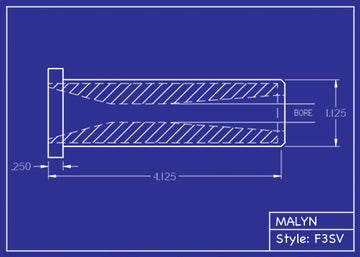
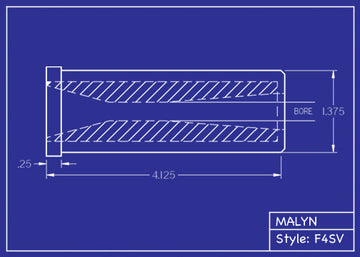
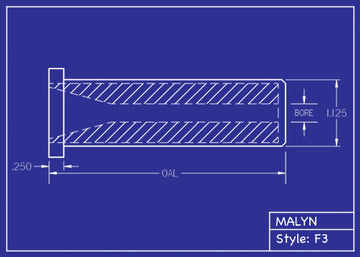
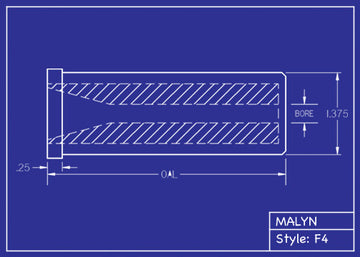
- F = Flanged Nozzles
- V = Venturi
- SV = Short Venturi
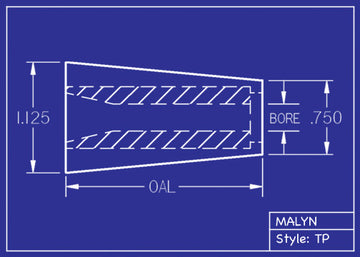
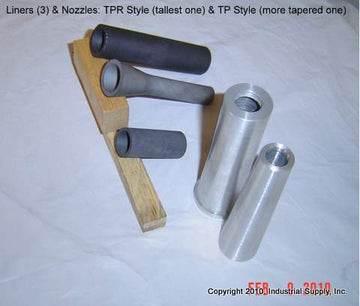
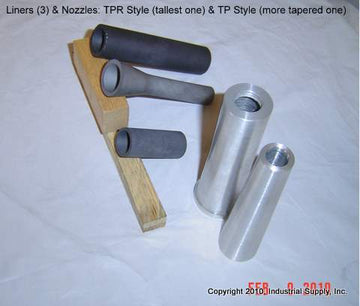
- TP = Tapered
- WS = Wide Spray
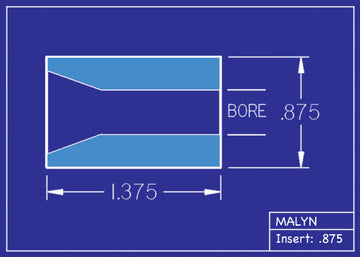
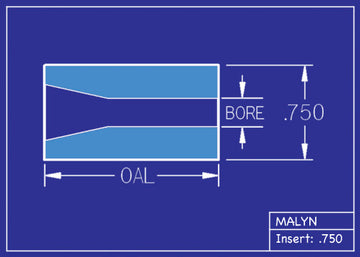
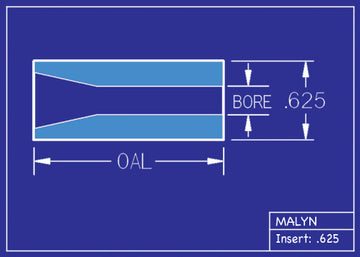
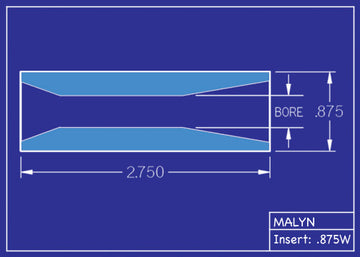
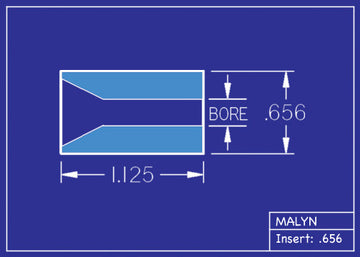
- Inserts are neither tapered or threaded
- Straight Bore nozzles are the default bore, creating a tighter blast pattern for overall blasting projects and cabinets.
- Venturi Bore nozzles have a wider blast pattern, good for blasting larger surfaces.
- VNSV: Venturi, Short Venturi
- VNLV: Venturi, Long Venturi
- VNDV: Venturi, Double Venturi
- MT and ST: Etching Nozzles



$131.00 | $134.95
$72.85 | $85.00

$75.00 | $80.00

$34.50 | $68.00
$110.00 | $134.00
$0.00
Request A Quote (RFQ)